Why be interested in decisions of the Anglican Consultative Council this past summer? Because the council, which is the most representative body in the Anglican Communion, made decisions affecting your participation in God’s global mission.
Register here to hear from the three Episcopal Church members at Mission Thursday at 2pm Eastern on Oct. 15. Presenting will be lay member Yvonne O’Neal of the Diocese of New York; clergy member the Rev. Canon Ranjit Mathews of the Diocese of Connecticut, who was elected to the ACC’s standing committee; and episcopal member Bishop Rafael Morales Maldonado of the Diocese of Puerto Rico.
In its actions, the Council:
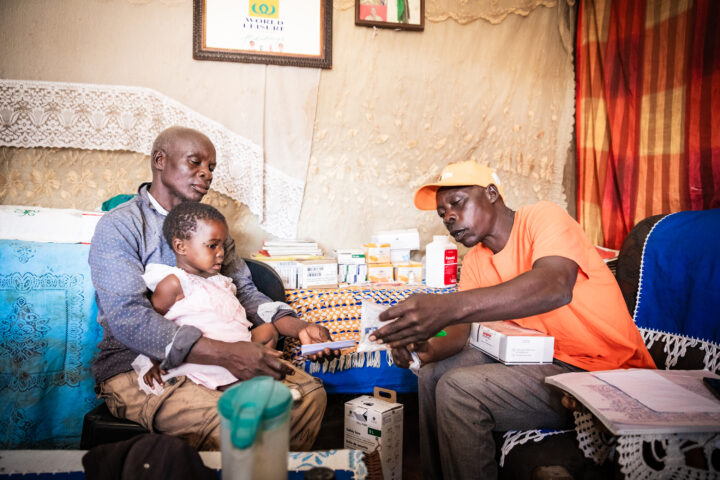
• Supported mapping Anglican healthcare resources around the world through the Anglican Health & Community Network. This should interest anyone in healthcare mission.
• Urged member churches to increase engagement with care for creation, support for climate resilience, carbon emissions reduction and advocacy for a transition to climate justice. This should interest all activists, for all mission work should include creation care.
• Recommended resources to help Christians welcome and support refugees, migrants and internally displaced people in their communities, bearing witness to the Gospel through hospitality, pastoral care, practical assistance and advocacy. This is a challenge facing all of us both at home and abroad.
• Recommended the work of the International Anglican Women’s Network to support women as peacebuilders and decision-makers, from the grassroots to all levels of church and civil leadership for the prevention and resolution of conflicts. This is key for mission groups focused on women.
• Affirmed the Great Commission as a call to evangelism and challenged Anglican provinces to grow wholehearted discipleship among their people; and to plant one million new and healthy churches in the coming decade, from 2026 to 2036.
• Wrestled with the Cairo-Nairobi Proposals to restructure the Anglican Communion. Structure can seem abstract and distant, but church structures affect mission work.
In the area of healthcare, during her visit to the Episcopal Church in September, Archbishop of Canterbury Sarah Mullaly, a former nurse, told Episcopal News Service, “At this time, going into the meeting in the U.N., I’m conscious that right across the world, Anglican churches are involved in health care, often in places of conflict. For me, the question is: ‘What could we be doing in partnership with the other organizations to ensure that health care continues despite conflict in the world?’ We are Christ’s hands and feet in the world, and that is true in places of conflict as well as in places of peace.”
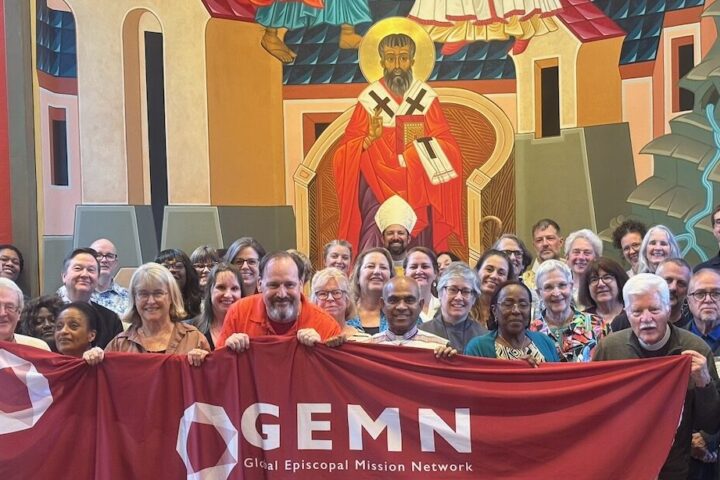
“Mission Gleanings from ACC-19” will be the theme of the Oct. 15 Mission Thursday The 19th triennial meeting of the council was held in late June and early July in Belfast, Northern Ireland. The webinar is organized by the Global Episcopal Mission Network.
The council is one of the four Instruments of Communion in the Anglican Communion, alongside the Archbishop of Canterbury, the Lambeth Conference and the Primates Meeting. Each of the 42 provinces of the communion has a lay member, a clergy member and a bishop member, making it the most broadly representative instrument. Meeting every three years in a different location, the ACC explores church and world affairs, considering such topics as peace, discipleship, migration, the environment, science and faith, and more.
“Called to One Hope” was the theme of this year’s meeting, derived from Ephesians 4:4: “There is one body and one Spirit, just as you were called to the one hope of your calling.” The meeting included worship, Bible study, plenary addresses, discussion of resolutions, and a pilgrimage in the city of Belfast, which for many years was riven by conflict between Catholics and Protestants. The Anglican Church of Ireland has about 343,000 members, 219,000 in Northern Ireland and 124,000 in the Republic of Ireland.
GEMN’s Mission Thursdays foster conversation about mission issues, particular challenges, and how God’s mission is being pursued in diverse parts of the world.